by
by 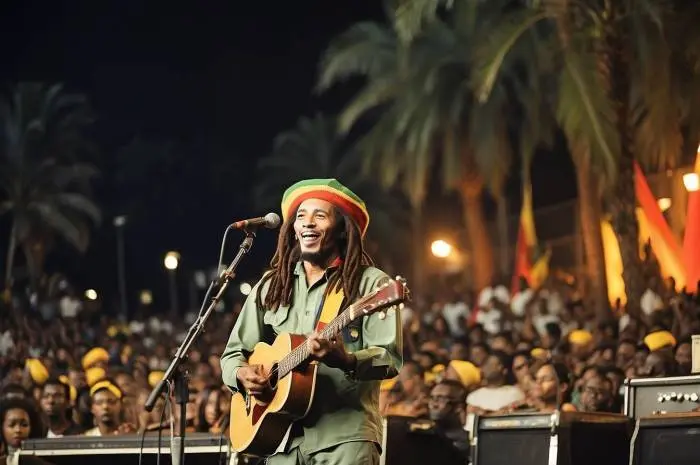
Explore how reggae music has shaped global culture, influencing social movements, fashion, and music genres worldwide.
Reggae music, originating from Jamaica in the late 1960s, has left an indelible mark on global culture. Its laid-back rhythms, socially conscious lyrics, and distinct style have transcended borders, inspiring musical genres, social movements, and even fashion trends across the globe.
What began as a genre rooted in the African and Caribbean experience has now become a universal language of peace, resistance, and unity.
In this article, we’ll explore how reggae music has significantly influenced global culture and continues to be a force of cultural expression today.
1. The Origins of Reggae and Its Social Impact
Reggae music originated in Jamaica, influenced by earlier forms of Jamaican music like ska and rocksteady, as well as the African diaspora and American jazz and rhythm and blues.
The genre emerged as a voice for the marginalized and oppressed, reflecting the social and economic struggles of the Jamaican people during the post-colonial period.
One of reggae’s defining features is its deeply spiritual and political message. Artists like Bob Marley, Peter Tosh, and Jimmy Cliff used their music to address issues such as poverty, inequality, and oppression.
Bob Marley, in particular, became a global symbol of resistance, using reggae as a platform to promote peace, justice, and the Rastafarian movement.
His music, which emphasized themes of unity and love, resonated with people worldwide and helped bring reggae into the international spotlight.
The social messages embedded in reggae have been influential far beyond Jamaica. In many parts of the world, especially in countries with histories of oppression or colonialism, reggae became a soundtrack for social movements advocating for change.
Whether in Africa, Europe, or the Americas, reggae has provided a voice for people fighting for freedom, equality, and human rights.
2. Reggae’s Influence on Other Musical Genres
The influence of reggae can be heard in many modern music genres. As reggae music spread globally in the 1970s, it began to merge with other styles, influencing the development of various genres such as hip-hop, punk, and electronic music.
Reggae and Hip-Hop
Hip-hop, which originated in the Bronx, New York in the late 1970s, shares reggae’s roots in marginalized communities and a desire for social change.
The influence of reggae on hip-hop is most evident in the use of sound systems, DJ culture, and toasting (a style of rhythmic speech or “talking over” the music), which are staples of both genres.
Jamaican DJs like Kool Herc, one of the pioneers of hip-hop, brought the concept of sound system culture to the Bronx, laying the foundation for the birth of hip-hop.
Many hip-hop artists, such as Nas, The Notorious B.I.G., and Snoop Dogg, have paid homage to reggae, incorporating its rhythms and themes of resistance into their music. The fusion of reggae and hip-hop has contributed to a rich cultural exchange that continues to evolve today.
Reggae and Punk
The connection between reggae and punk music might seem unlikely at first glance, but the two genres share a rebellious spirit and a commitment to challenging the status quo.
In the late 1970s, British punk bands like The Clash and The Sex Pistols were heavily influenced by reggae music, which had become popular in the UK due to the large Jamaican immigrant population.
The Clash, in particular, incorporated reggae rhythms and themes into their music, exemplified in songs like “Police and Thieves” and “Guns of Brixton.”
Reggae’s emphasis on social justice and anti-establishment sentiment resonated with the punk ethos, creating a fusion that bridged cultural and musical divides.
Reggae and Electronic Music
In the 1980s and 1990s, reggae’s influence extended into the world of electronic music, particularly through the development of dub.
Dub music, a subgenre of reggae, involves remixing and manipulating original recordings to create bass-heavy, echo-filled tracks. This style laid the groundwork for electronic genres like dubstep and drum and bass.
Today, electronic music producers often draw on reggae and dub influences to create new sounds that blend traditional reggae elements with modern electronic beats.
Artists such as Major Lazer by KatellKeineg.com have successfully merged reggae with electronic music, bringing the genre to new audiences worldwide.
3. Reggae’s Influence on Fashion and Style
Reggae’s influence is not limited to music; it has also had a significant impact on fashion and lifestyle.
The Rastafarian culture associated with reggae music introduced the world to a unique style that included dreadlocks, colorful beaded jewelry, and the iconic red, green, and gold colors of the Rastafarian flag.
This aesthetic has since been adopted globally, particularly in subcultures that value self-expression, individuality, and a connection to spiritual or natural lifestyles.
Beyond the Rastafarian influence, the laid-back, easy-going vibe of reggae has inspired beachwear, casual clothing lines, and even luxury brands that draw from reggae’s cultural symbols.
4. Reggae as a Global Cultural Movement
Today, reggae has grown into a global cultural movement that transcends its Jamaican roots.
The United Nations Educational, Scientific and Cultural Organization (UNESCO) recognized reggae music as an “Intangible Cultural Heritage of Humanity” in 2018, acknowledging its role in promoting peace, love, and cultural diversity across the world.
Festivals celebrating reggae music, such as Reggae Sumfest in Jamaica and Rototom Sunsplash in Spain, attract thousands of international fans every year.
Reggae’s message of unity, positivity, and resistance continues to resonate with people from all walks of life, making it more than just a genre of music—it’s a way of life.
Conclusion
Reggae music has undoubtedly had a profound influence on global culture, shaping musical genres, inspiring social movements, and leaving a lasting imprint on fashion and lifestyle.
What began in the streets of Jamaica has grown into a worldwide cultural force that promotes messages of peace, justice, and unity.
Reggae’s power lies in its ability to transcend borders and connect people through shared experiences, struggles, and hopes for a better world.
Whether through its music, style, or ethos, reggae continues to influence and inspire new generations, solidifying its place in the global cultural landscape.